Business & Property Managers
Tree Risk Management for Apartments and Rental Properties
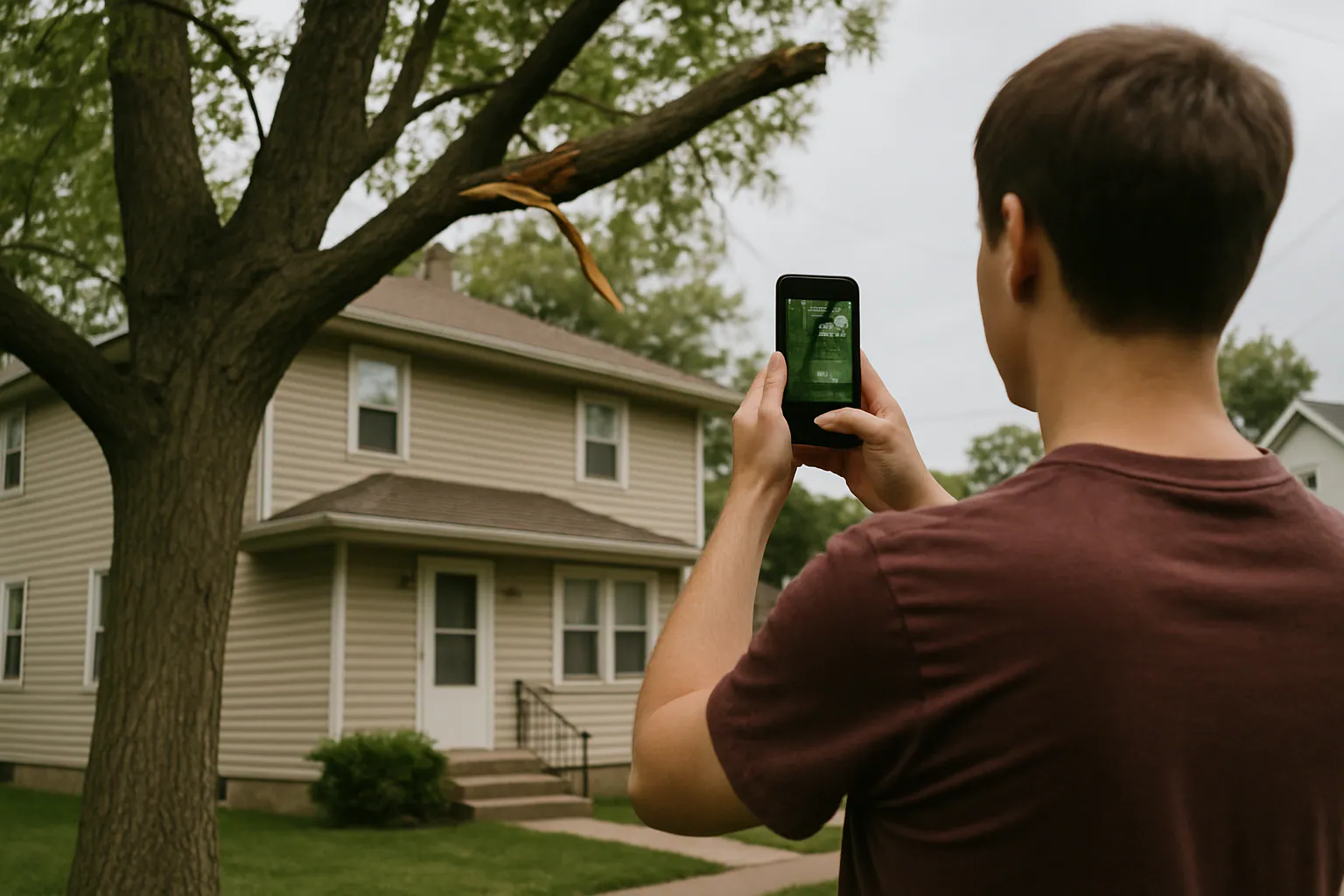
Rental property tree risk management runs on four systems: scheduled professional inspections, structured tenant reporting channels, turnover-driven assessments, and documentation habits that prove diligence. Owner-occupied homeowners notice their trees; rental trees depend on systems instead.
System One: Scheduled Inspections
Annual professional assessment minimum for properties with mature canopy; biennial for younger stock. Timing around turnover windows maximizes access. Inspections produce written findings per address — the foundation everything else references. University-town markets like Warrensburg, where rental density runs high and lease cycles create natural access windows, benefit especially from aligning inspection timing with vacancy patterns.
System Two: Tenant Reporting That Works
- Specific prompts beat generic requests: "notice any hanging branches or cracked trunks?" outperforms "report maintenance issues"
- Photo-friendly submission: phone cameras make evidence effortless; make uploading easy
- Response acknowledgment always: reported-and-ignored reads terribly in hindsight; documented-response reads excellently
- Seasonal reminder pushes: spring and fall messages prompting observation catch what daily familiarity hides
System Three: Turnover Integration
- 1Add tree walk-through to turn checklists alongside smoke detectors and filters
- 2Compare against prior photos — gradual decline invisible visit-to-visit jumps out across years
- 3Escalate findings immediately rather than batching with cosmetic turn work
- 4Document between-tenant condition establishing timeline facts if disputes ever arrive
System Four: Documentation Discipline
The file that wins disputes contains: inspection reports by date, tenant submissions with responses, work orders mapping findings to completion, vendor insurance certificates, and removal/maintenance invoices archived per address. Boring to maintain, decisive when needed — the asymmetry that makes it non-optional. Portfolio-scale operations get consolidated records through our commercial service standards.
The Liability Logic Underneath
Premises liability follows notice plus inaction patterns: owners who inspect, act on findings, and document both occupy defensible positions regardless of outcomes. Owners who wait for failures invite negligence framings that survive even good insurance outcomes through deductible and premium consequences. Systems aren't bureaucracy — they're the cheapest liability insurance available. Start building them at (855) 714-0391. Related: manager decision frameworks.