Lafayette County Local
Tree Problems Lafayette County Homeowners Should Watch For
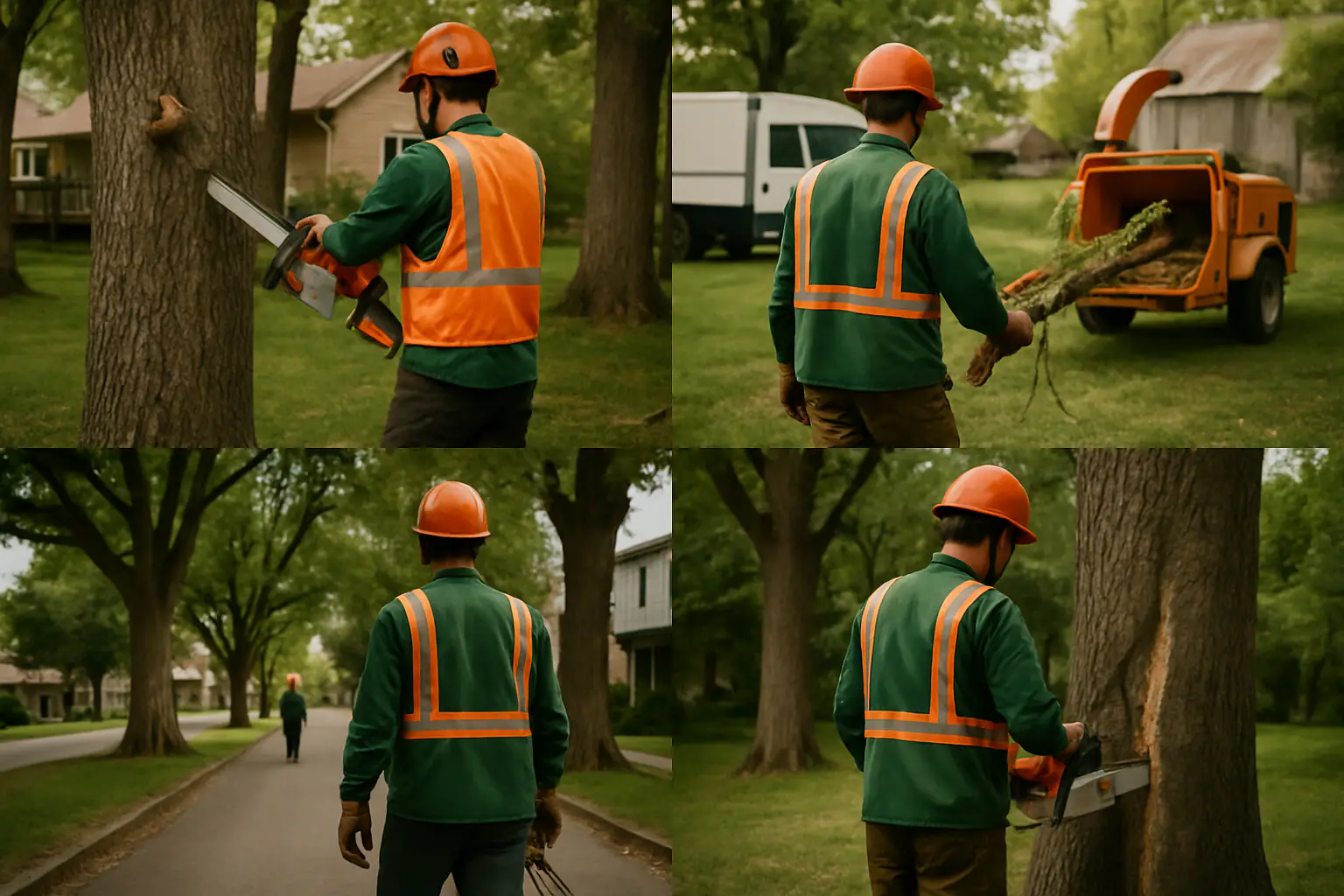
Emerald ash borer mortality, oak wilt and red-oak decline, overmature farmstead plantings, storm-crack accumulation and construction root damage account for most serious tree problems Lafayette County properties encounter — each with recognizable signatures worth learning.
Problem One: Emerald Ash Borer
Lafayette County sits within confirmed EAB territory per Missouri conservation records. Every ash owner faces a decision clock: infested trees die within 2–4 years, becoming brittle hazards afterward. Identification basics — diamond-ridge bark, opposite branching, compound leaves — plus warning signs (top-down thinning, D-shaped exit holes, bark splits, woodpecker hammering). Options are treatment-by-professionals for valuable specimens caught early or planned removal otherwise. Our county EAB guide covers specifics.
Problem Two: Oak Wilt and Red-Oak Decline
Missouri conservation authorities flag oak wilt among significant state threats. Red oaks decline rapidly once infected; white oaks resist longer. Prevention centers on timing: never prune oaks April through July when insect vectors transmit via fresh cuts. Suspect symptoms — rapid wilting from crown top, leaf discoloration patterns — deserve prompt professional eyes rather than wait-and-see optimism.
Problem Three: Overmature Farmstead Plantings
- Cedar-pine shelterbelts thinning section by section past design life
- Osage fence rows hollow internally while appearing robust externally
- Farmstead cottonwoods and soft maples exceeding planting-spot capacity simultaneously across whole neighborhoods
Generational planting creates generational replacement obligations — phased renewal planning beats simultaneous collapse management economically every time. Windbreak assessments map which rows still function versus which have become liability inventories.
Problem Four: Accumulated Storm Cracks
Each significant weather event adds hairline cracks to regional canopies; few get inspected afterward. Cracks propagate under subsequent loading — the reason "it survived last storm" arguments weaken annually. Post-event walkthroughs catching new damage convert eventual emergencies into scheduled repairs.
Problem Five: Construction Root Damage
Trenching, grade changes and equipment traffic within drip lines injure roots silently — decline appearing two-three years later seemingly unconnected to the driveway project that caused it. Pre-construction planning protects keepers; post-symptom diagnosis rarely reverses outcomes.
The Common Thread
Every problem above rewards early detection with cheaper options. Annual self-inspection plus professional assessment when something looks wrong keeps Lafayette County properties ahead of the curve — start at (855) 714-0391 or browse our service area coverage for community-specific notes.